Acute Kidney Injury
Acute Kidney Injury is a sudden decline in kidney function that develops
over hours to days. It leads to accumulation of waste products in the blood
and disturbance in fluid and electrolyte balance.
AKI is a medical emergency that requires prompt evaluation and treatment
to prevent permanent kidney damage and life-threatening complications.
Common Causes of Acute Kidney Injury
- Severe dehydration
- Severe infections (Sepsis)
- Major surgery or trauma
- Uncontrolled diabetes or hypertension
- Heart failure
- Certain medications or contrast dyes
- Obstruction in urinary tract (stones, prostate enlargement)
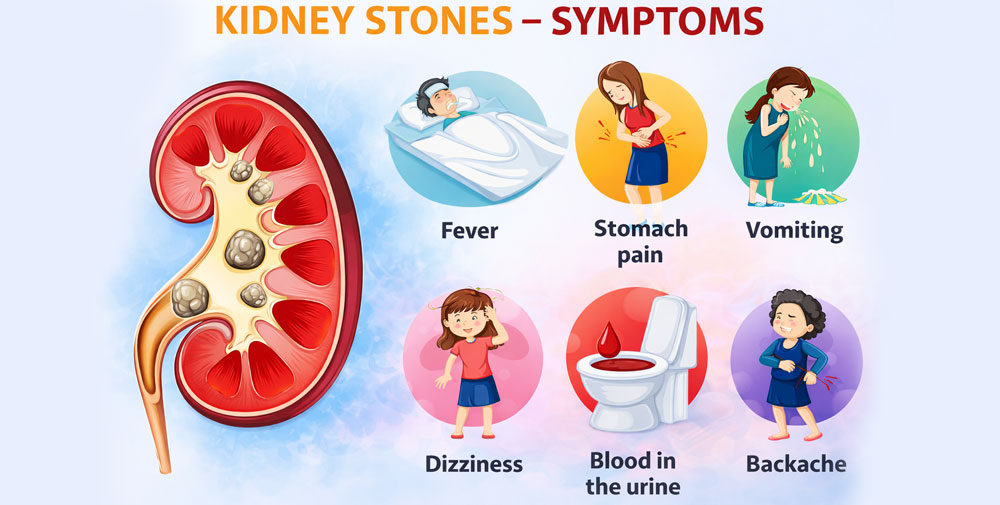
Symptoms of AKI
- Reduced urine output
- Swelling in legs, feet, or face
- Shortness of breath
- Fatigue and confusion
- Nausea or vomiting
- Abnormal blood test results
Diagnosis of Acute Kidney Injury
- Blood tests (Creatinine, Urea, Electrolytes)
- Urine examination
- Ultrasound of kidneys
- Assessment of fluid status
- Identification of underlying cause
Treatment Approach
- Immediate correction of dehydration
- Treatment of infections
- Stopping harmful medications
- Managing blood pressure and blood sugar
- Electrolyte correction
- Temporary dialysis in severe cases
Early detection and timely intervention can completely reverse kidney damage in many cases.
Prompt medical attention significantly improves recovery and reduces complications.